How AI is Transforming the Fashion Industry in 2026
The fashion industry is undergoing a quiet revolution—and at its center is artificial intelligence (AI). From personalized outfit recommendations to smart wardrobe management, AI is redefining how we discover, buy, and wear clothes.
What is AI in Fashion?
AI in fashion refers to the use of machine learning, data analysis, and automation to improve design, styling, and shopping experiences. It helps brands and consumers make smarter, faster, and more personalized decisions.
1. Personalized Outfit Recommendations
One of the biggest impacts of AI in fashion is personalization. AI-powered systems analyze user preferences, past behavior, and trends to suggest outfits tailored to each individual.
Instead of scrolling endlessly, users can instantly receive outfit ideas that match their style, body type, and occasion.
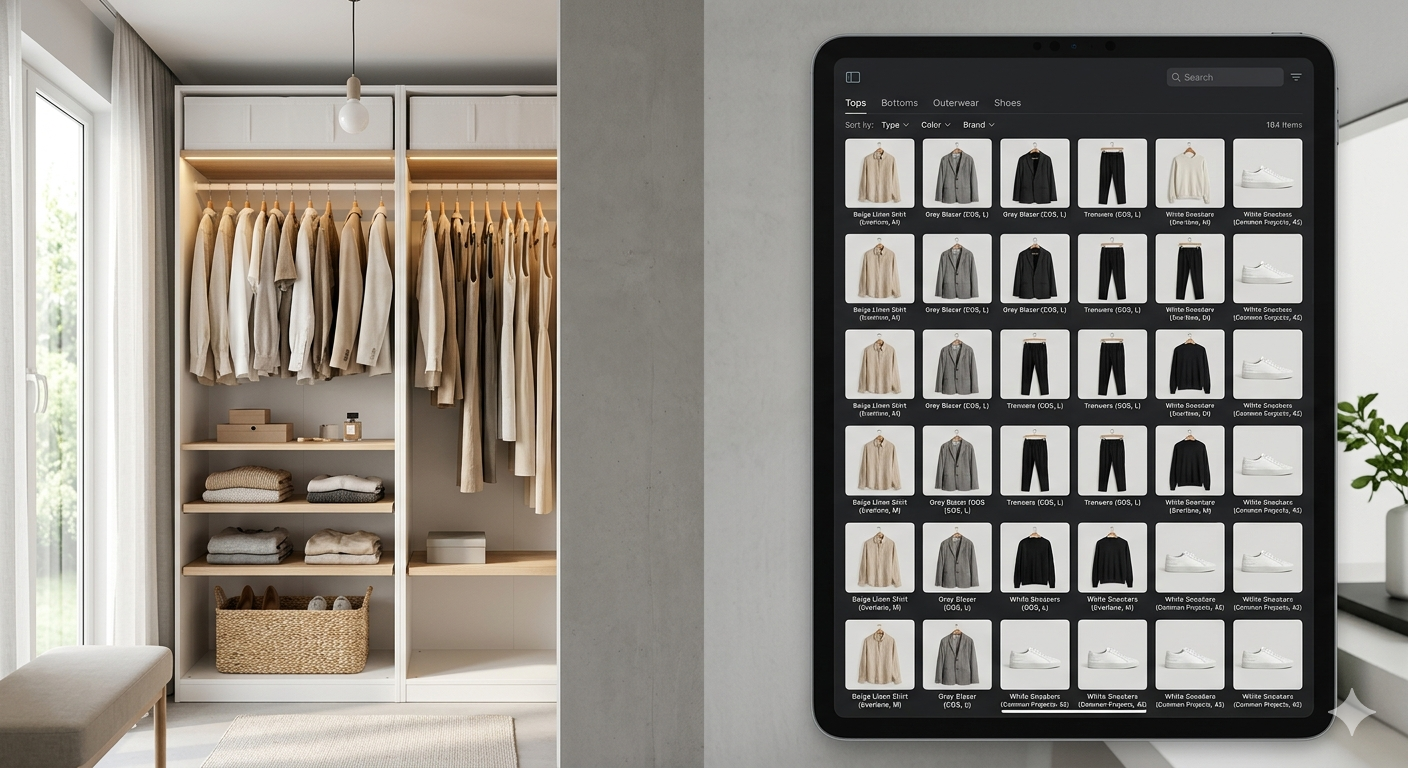
2. Smart Wardrobes and Closet Management
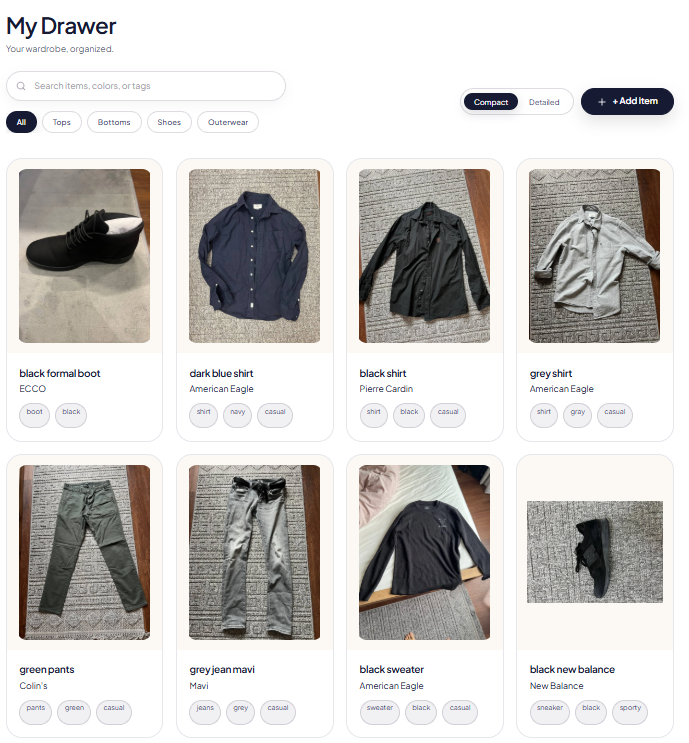
AI is turning traditional closets into intelligent systems. With a virtual wardrobe, users can:
- Organize clothing digitally
- Get outfit suggestions from existing items
- Track usage and avoid overbuying
This leads to more sustainable and efficient fashion choices.
3. Trend Prediction and Forecasting
Fashion brands are using AI to analyze massive amounts of data from social media, search trends, and consumer behavior.
This allows them to:
- Predict upcoming trends
- Reduce production waste
- Launch collections that match real demand
4. Virtual Try-On Technology
AI combined with computer vision enables virtual fitting rooms. Users can see how clothes look on them without physically trying them on.
This improves online shopping confidence and reduces return rates.
5. AI in Fashion Design
Designers are now collaborating with AI tools to generate new patterns, styles, and color combinations. AI can suggest designs based on current trends and historical data.
This doesn't replace creativity—it enhances it.
6. Sustainable Fashion with AI
AI helps reduce waste by optimizing inventory, predicting demand, and minimizing overproduction.
Sustainability is becoming a major focus, and AI plays a key role in making fashion more eco-friendly.
Challenges of AI in Fashion
Despite its benefits, AI in fashion also faces challenges:
- Data privacy concerns
- Lack of human touch in styling
- High implementation costs for smaller brands
The Future of AI in Fashion
The future is highly personalized. AI will continue to evolve into a fashion assistant that understands your taste better than anyone else.
Imagine opening an app and instantly seeing what to wear today based on the weather, mood, and your schedule.
Conclusion
AI is not just a trend in fashion—it is a fundamental shift. From how clothes are designed to how we choose what to wear, artificial intelligence is shaping the future of style.
Brands and users who embrace this change will be ahead in the next generation of fashion.
Keep exploring fashion AI with the Outfyt home page or preview Outfyt Premium features before building looks in the AI outfit planner.
Keep reading: Smart wardrobe app, Fashion social app, Digital wardrobe.